
Speed limiters built for Singapore’s 60 km/h fleet mandate
SAFEMAX manufactures DBW, DBV, terrain-based dual speed and integrated GPS speed limiters, alongside tracking, RPM regulation and driver alert systems, for commercial fleets, dealers and workshops across Singapore.
Fixed setting across Singapore’s commercial fleet mandate. The posted road limit still applies where lower.
Road safety hardware in daily service
Speed limiter requirements in Singapore
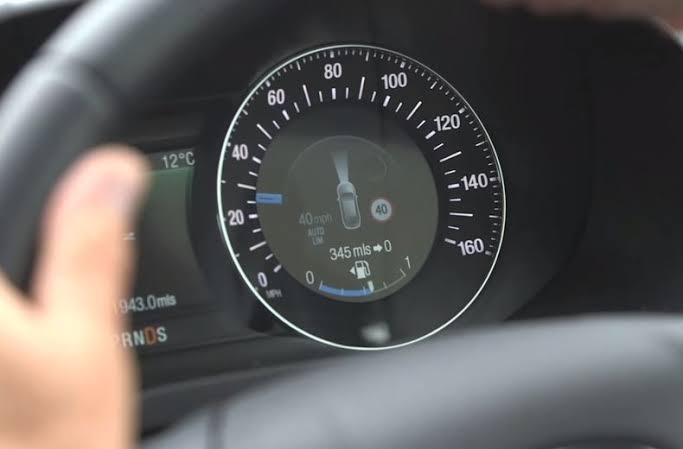
Singapore requires speed limiters on specified commercial vehicles, with the mandated setting fixed at 60 km/h. Drivers must still observe the posted road speed limit where it is lower.
- Goods vehicles with Maximum Laden Weight above 12,000 kg
- Public service vehicles with MLW above 10,000 kg
- Lorries between 3,501–12,000 kg MLW, phased in by weight band and registration date
- Goods vehicles up to 3,500 kg MLW require a Speed Warning Device, which alerts the driver rather than capping speed
Deadlines for the 3,501–12,000 kg expansion
| Vehicle registered | Maximum laden weight | Required from | Status |
|---|---|---|---|
| Before 1 January 2018 | 5,001–12,000 kg | 1 January 2026 | In force |
| Before 1 January 2018 | 3,501–5,000 kg | 1 July 2026 | In force |
| On or after 1 January 2018 | 5,001–12,000 kg | 1 January 2027 | Upcoming |
| On or after 1 January 2018 | 3,501–5,000 kg | 1 July 2027 | Upcoming |
SAFEMAX speed limiter solutions for Singapore
Two core architectures, plus specialised variants for operations that need more than a single fixed ceiling.
DBW — Drive By Wire speed limiter
For commercial vehicles with an electronic accelerator pedal. Communicates with the vehicle’s electronic control unit to hold road speed at the set value, managing the transition smoothly so drivability, gear selection and load handling are unaffected — delivering cleaner speed control, better fuel economy and reduced drivetrain stress. The appropriate choice for most modern lorries, buses and heavy goods vehicles.
DBV — Drive By Valve speed limiter
A fuel-based unit for vehicles with a mechanical accelerator pedal. Regulates fuel and air delivery to the engine once the preset speed is reached, capping road speed without requiring electronic engine management. Covers older commercial vehicles, certain parallel imports, and any lorry whose specification does not support an ECU-based installation.
Terrain-based dual speed limiter
Allows two preset speed values on a single vehicle, applied according to operating conditions. Suits fleets running across mixed route profiles — vehicles moving between yard, site and highway duty — where a single fixed ceiling either constrains productive running or fails to control the higher-risk portion of the route.
Integrated speed limiter with GPS
Combines speed limiting with GPS tracking and driver alerting in one installation. Fleet managers get speed compliance plus live vehicle position, trace history and overspeed alerting from a single system — reducing hardware count, wiring complexity and workshop time versus fitting separate devices. The specification most often chosen by operators who want compliance and fleet visibility handled together.
Built for tamper resistance
All SAFEMAX limiters are supplied as sealed, tamper-resistant units. A limiter that can be defeated by a driver exposes the operator to the offence it was fitted to prevent, so tamper resistance is a core design requirement, not an option.
Choosing the right SAFEMAX speed limiter
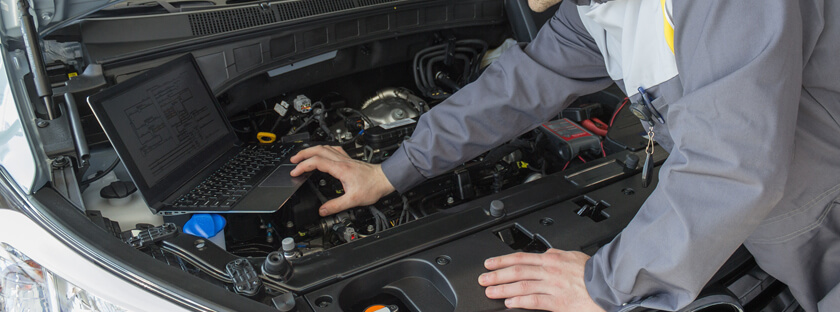
The starting point is the vehicle’s accelerator architecture. Final device selection depends on the specific vehicle’s electronic architecture and should be confirmed by the installer assessing the vehicle.
Vehicle safety systems from SAFEMAX
Fleet technologies that pair with any SAFEMAX speed limiter, or run standalone.
GPS tracking & fleet management
Live vehicle tracking, trace history, customised utility reports, geo-fencing, immobiliser control, custom alerts and a mobile application. Standalone, or combined with speed limiting in our integrated units.
RPM regulator
Holds engine RPM within a set range on PTO-driven and refrigeration-equipped vehicles by switch, without the driver holding the accelerator. Used on reefer bodies, tippers, cranes and utility vehicles.
Alarm & driver alert systems
Warns the driver on overspeed conditions and on safety breaches such as a door opening while the vehicle is in motion.
School bus safety solutions
Speed limiting, GPS tracking, RFID and camera systems configured for school and student transport operations.
A manufacturer, not a reseller
We manufacture, not resell
Designed and built in-house, supported by our own R&D team — the same team behind the terrain-based dual speed and integrated limiter variants, and wider road safety work including rider speed monitoring systems.
Full range under one supplier
DBW, DBV, dual-speed, integrated GPS limiters, tracking, RPM regulation and alert systems from a single manufacturer — one specification, one support contact.
Proven in a mandatory regime
Supplied into the UAE’s mandatory speed limiter regime for over a decade through roughly 110 fitment centres, backed by a certificate management system tracking installed vehicles.
Manufacturer-level support
Vehicle compatibility assessment, technical documentation, installer training and direct engineering contact — not a distributor relaying questions back down the chain.
Compliance hardware is judged after installation — on rectification turnaround, documentation quality and support response.
How we approach every fitment network we supply intoFrequently asked questions
Which SAFEMAX speed limiter do I need?
What speed is the limiter set to in Singapore?
Which vehicles require a speed limiter?
Does SAFEMAX install speed limiters in Singapore?
What standards must the device meet?
Can an existing speed limiter stay in use?
Request SAFEMAX product information
Send us your fleet details and we’ll return device recommendations, specifications and supply terms.
Fleet operators
- Fleet list with makes, models and years for a device configuration recommendation
- Pricing on GPS tracking, RPM regulators and alert systems
Authorised agents & workshops
- Hardware supply and vehicle compatibility data
- Technician training and documentation packs
Vehicle dealers & importers
- Volume supply arrangements
- Pre-registration fitment documentation
Contact SAFEMAX
For fleet list reviews, technical datasheets or supply terms, reach the team directly or use the full enquiry form on our contact page.
- SAFEMAX Vehicle Speed Limiter Assembling LLC
WH No. 5, Dubai Dawn Distinguished Construction
Dubai Investment Park 2, Dubai, UAE - Sales +971 52 602 4317
Office +971 4 886 3885
Service +971 52 602 4316 - info@safemaxuae.com